
Let the Sunshine In: A Guide to Perfect Window Installation for Texas Homes
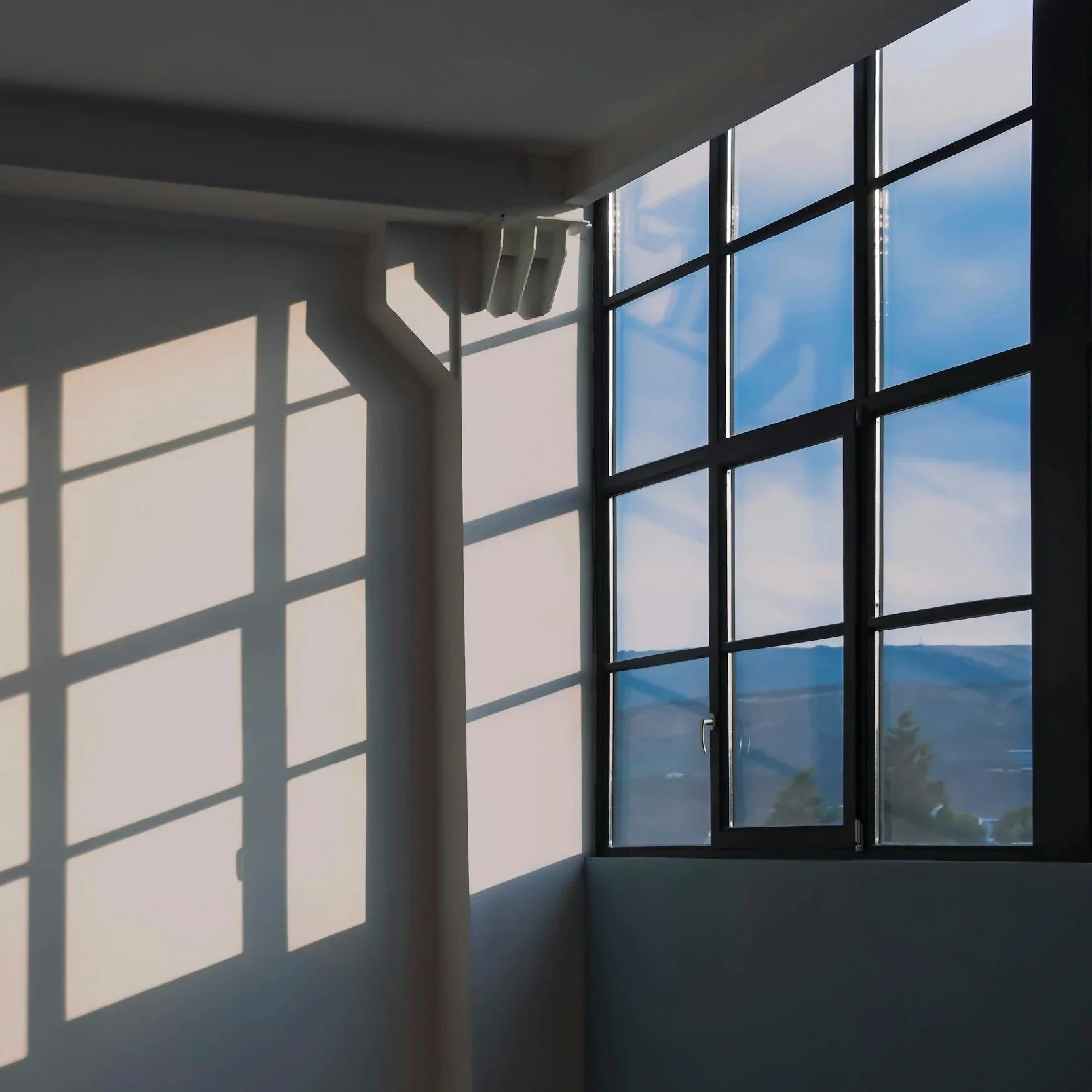
It’s not just about letting light in—it’s about sealing the wild outdoors out.
When you live in Texas, your windows work harder than most. They have to handle searing sunlight, sideways rain, sticky humidity, sudden gusts, and even the occasional flying lawn chair during hurricane season. It’s not just about letting light in—it’s about sealing the wild outdoors out. Proper window installation here requires more than a level and a good attitude. It requires professional expertise, materials designed for Texas conditions, and precision from the first measurement to the final inspection.
Understanding Texas building codes
Installing windows in Texas without knowing the local codes is like playing poker without looking at your hand. You might get lucky, but probably not. Texas building codes are designed with weather resilience in mind. They account for factors like wind load calculations, required impact resistance, and moisture control. A professionally trained window installer knows how to meet—and often exceed—these requirements without breaking a sweat.
These pros are well-versed in coastal wind zone requirements, hurricane zone glazing standards, and municipal add-ons that vary by city and county. Whether it’s Corpus Christi’s coastal vulnerabilities or Dallas’ wild temperature swings, a licensed installer follows every rule to the letter. That’s not just to pass inspection. It’s to protect your home for the long haul.
Selecting climate-appropriate windows
Picking windows for a Texas home isn’t about picking what looks cute from the street. You need the right combination of functionality and regional compatibility. Texas homes benefit from impact-resistant glass, UV-filtering coatings, and durable frames that won’t warp under pressure—literally or thermally.
Aluminum frames might make sense in a dry region, but they can be a heat conductor in the Texas sun. Vinyl can work well in urban environments but might not be ideal in humid coastal regions unless it’s reinforced and sealed properly. Wood? Beautiful, yes, but only if treated and installed with strict moisture management strategies.
Professional installers help homeowners choose window materials and glazing packages based on how much direct sun a room receives, how close the property is to flood-prone areas, and whether that north-facing wall ever catches a rogue hailstorm. It’s not just about style—it’s about survival.
Heat management through smart installation
If your AC groans louder than a longhorn on a hot day, your windows might be part of the problem. Improper installation creates gaps, warps, or leaks that let hot air sneak in and cooled air escape like it’s fleeing a prison yard.
Professional window installation addresses these issues at the root. Installers align each window with precision, check for plumb and level, and seal every potential escape route for conditioned air. The goal is to reduce thermal transfer without compromising on ventilation or aesthetics.
Texas homes particularly benefit from double or triple-pane windows with low-emissivity (Low-E) coatings. When installed correctly, these help reduce solar heat gain while preserving natural light. It’s a delicate balance that only a trained installer can pull off without compromise.
Water infiltration prevention
Let’s talk about the rain. Texas storms don’t politely knock—they barge in with flash floods and sideways gusts. A window may look sealed on day one, but without proper flashing and waterproofing techniques, it could betray you during the next downpour.
Professional installers use step-by-step water management methods. That includes creating overlapping flashing systems, applying sealants with an eye for expansion and contraction, and verifying that the drainage plane allows water to flow out—not in.
They also know how to handle stucco, brick, or siding transitions. These areas are notorious for leaks when installers cut corners. With professional work, the frame and wall work together as one unified system, keeping your insulation dry and your walls mold-free.
Hurricane protection standards
Not every home in Texas needs hurricane-rated windows, but for those that do, it’s not a feature you want to leave up to guesswork. Impact-resistant windows are only as strong as their installation.
Proper anchoring into wall studs or masonry, correct spacing of fasteners, and exact sealant application are all vital. Some areas require additional structural reinforcements or specialized sill pan flashings to redirect driving rain. A professional installer knows how to secure each window to perform under pressure—literally.
In fact, when tested, these windows take hits from 2x4s hurled at over 30 miles per hour. But none of that matters if the installation fails. That’s why a licensed expert must handle hurricane-ready installations. You’re not just buying a window. You’re buying peace of mind during storm season.
The role of professional measurements
If you think measuring a window is as easy as stretching a tape measure across the opening, think again. The difference between a snug, well-insulated fit and a drafty nightmare can come down to fractions of an inch.
Professional installers measure height, width, depth, wall thickness, and frame condition before ordering anything. They factor in allowances for insulation materials, sealing space, and expansion gaps. They even check for potential settling issues that could affect how the new window operates down the line.
Skilled installers also use those measurements to detect problems that might not be visible. Crooked framing, decayed sills, or inconsistent wall depths can all turn a window project into a renovation if not caught early. The measuring tape isn’t just a tool. It’s a diagnostic device in expert hands.
Proper preparation procedures
The preparation phase is where amateurs tend to stumble. Simply yanking out an old window and popping in a new one is a recipe for long-term regret. Professional installers take time to inspect the surrounding structure, remove damaged or rotted framing, and prep the opening for maximum performance.
That could mean reinforcing framing, installing sill pans, adding waterproof membranes, or sealing voids left behind by the previous installation. Professionals also clean the opening thoroughly to confirm that adhesives and sealants bond properly. Every layer they add serves a purpose, whether it’s structural support or moisture mitigation.
Installation technique importance
Once the prep work is done, it’s go-time—but it’s not a race. Professional installers follow a well-rehearsed routine. They start with the bottom edge to get the level right, shim corners to maintain shape, and secure the frame with appropriate fasteners depending on the window style and wall type.
They never over-tighten screws or use the wrong length of nail, which can bend the frame or weaken the wall. Each window is installed to perform, not just look good. Professionals test for squareness, smooth operation, and airtightness before moving on. It’s a meticulous process, but the results speak for themselves.
Sealing and insulation methods
Sealing a window is about more than caulking around the edges. It’s a multi-layer process that protects against air infiltration, water damage, and energy loss.
In humid Texas conditions, professional installers use sealants that remain flexible in the heat and resist mildew over time. They apply them in temperature-controlled conditions when possible, providing proper curing. Expanding foam insulation is often added between the window frame and wall cavity, but only where appropriate and always in controlled amounts.
Too much foam can distort a window frame. Too few leaves leave gaps. Pros strike the perfect balance and know when to let materials breathe versus when to lock them down.
Energy efficiency considerations
Texas heat doesn’t mess around. And neither should your windows. Professional installers know how each window contributes to the overall energy efficiency of a home.
They install energy-efficient window styles like casement or double-hung units with the correct orientation. They check the Solar Heat Gain Coefficient (SHGC) and U-factor ratings for compatibility with the home’s exposure. Proper installation guarantees that no gaps compromise the performance promised on the window label.
Installers also understand how overhangs, awnings, and window orientation impact energy use. South-facing windows might need a different strategy than shaded north ones. Professionals factor in every variable so that homeowners enjoy comfort without bloated utility bills.
Post-installation testing
Once the last fastener is in place, the real fun begins—testing. A window may look perfect, but if it sticks, leaks, or whistles in the wind, it’s not ready for use.
Professional installers perform a series of post-installation checks. They open and close each window to guarantee smooth operation. They run water tests to verify waterproofing, check lock alignment, and inspect for air leaks with thermal sensors or pressure tests. If anything’s off, they fix it on the spot.
Some professionals also provide documentation of compliance with local codes, which is helpful for warranty validation and resale value. The goal is to hand off a fully functional window system, not just a decent-looking rectangle in the wall.
Maintenance requirements
Even the best windows need a little love over time, but a professional installation minimizes how often you’ll need to intervene. No wiggling sashes, rattling frames, or mysterious puddles on the windowsill.
Good installers explain the care needed for each specific window type. That might include lubricating hinges, checking weep holes, or washing Low-E glass with non-abrasive cleaners. They also advise on when to reseal, repaint, or inspect key components based on Texas’ climate cycles.
Because installation was done right the first time, future maintenance becomes more about routine checkups and less about emergency repairs.
The value of professional expertise
Hiring a professional window installer isn’t just about saving time—it’s about investing in safety, performance, and peace of mind. These pros have tools that make measurements precise, sealants that last longer, and knowledge that can only come from experience in the field.
They understand Texas’ microclimates and how to respond to everything from West Texas dust to Gulf Coast humidity. They also keep up with evolving building codes, manufacturer requirements, and emerging products. You have windows installed not just to code, but to best-practice standards that surpass bare minimums.
Professionals also carry insurance and warranties that protect homeowners from future headaches. It’s a layer of confidence that no DIY how-to video can match.
Protecting home investment
New windows are one of the most significant upgrades a homeowner can make—and one of the most impactful in terms of comfort, energy bills, and resale value. But even the highest-end windows can underperform if installation isn’t up to par.
That’s where professional installers shine. They turn high-quality products into high-performance solutions that last through every season, storm, and sunny day Texas throws at them. The investment in professional installation pays off not just in lower utility bills but in peace of mind, long-term durability, and home protection.
Windows are your home’s connection to the world outside. When installed properly, they bring in the beauty of the outdoors without letting in the chaos. And in Texas, that’s no small feat.
Texas Siding and Exteriors offers professional window solutions, to Corsicana, TX, residents, including window installation and window repair and replacement. We offer comprehensive solutions to homeowners in the community. Insured, bonded, and family-owned. Financing available. Our team carefully understands the homeowner’s vision and delivers customized solutions. Contact us for a free estimate.
