
Decked to Impress with a Solid Roof Foundation
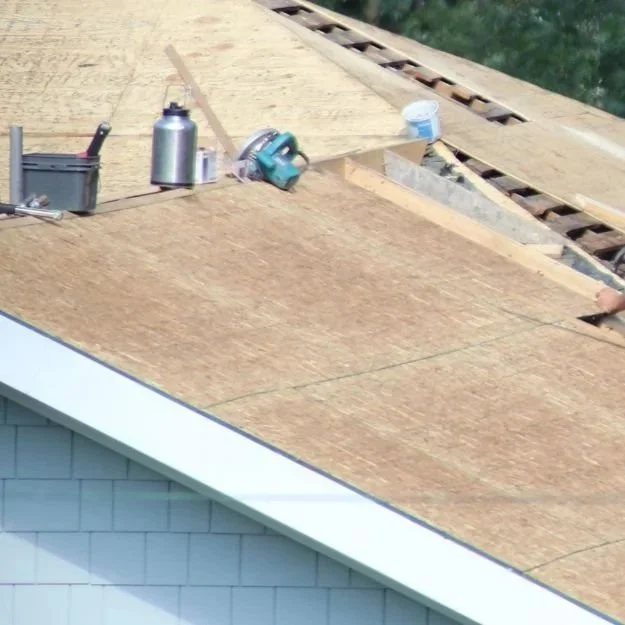
This layer of wood or material forms the solid foundation that supports everything above it.
When it comes to building a sturdy roof, one key element that often doesn't get the recognition it deserves is roof decking. While shingles and flashing get the spotlight, roof decking is the unsung hero that keeps everything in place. This layer of wood or material forms the solid foundation that supports everything above it. Without it, shingles would have nowhere to cling to, and the roof would collapse under the pressure. Roof decking replacement is more than just a practical fix—it's about providing a solid, reliable foundation that lasts through the years.
Why Roof Decking Matters
Roof decking isn't the most glamorous part of your roof, but it's certainly one of the most important. Located beneath your shingles, decking serves as the base that holds everything together. It's the part of the roof that provides structural integrity, helping the entire roofing system maintain its shape, strength, and durability. Whether it's made of plywood, oriented strand board (OSB), or other materials, decking takes the brunt of the roof's weight and protects your home from the elements.
Think of it as the backbone of your roof—the hidden support structure that doesn't always get the attention it deserves. When decking begins to fail, however, the consequences are far from subtle. Soft spots, warping, and even holes in the decking can cause shingles to buckle or leak, creating bigger problems down the road.
Signs Your Roof Decking Needs Attention
Like any part of a home, roof decking wears out over time. Exposure to the elements, moisture, and temperature changes can weaken it. When decking begins to show signs of damage, it's often not immediately visible from the outside, but the effects are felt inside the home. A few key indicators point to when roof decking replacement is needed.
If you notice sagging or warped areas in your roof, it's a clear sign that the decking underneath is compromised. These areas can start small but grow quickly if left untreated. Leaks and water stains inside the house indicate that moisture has penetrated the decking, compromising its structural integrity. In some cases, decking can become soft to the touch, a telltale sign that it's absorbed too much water or been affected by mold or mildew.
While minor issues can be repaired, extensive damage often requires complete decking replacement. If you've noticed these signs, it's important to take action before the issue worsens and leads to more significant roof problems.
The Importance of Timely Roof Decking Replacement
Timely roof decking replacement is vital to maintaining your roof's structural integrity. Roof decking is the first line of defense against moisture, heat, and other elements. When the decking is compromised, the roof loses its ability to perform effectively, and the risk of further damage increases. A roof without solid decking is vulnerable to issues like sagging, leaks, or even total collapse under heavy weight or snow.
By replacing damaged decking as soon as possible, you prevent more costly repairs down the line. It's easier and more affordable to replace decking before it completely deteriorates than to wait until the damage spreads and affects the shingles, insulation, or even the home's structural components.
How Roof Decking Replacement Works
Roof decking replacement isn't a quick fix—it's a meticulous process that involves removing the old decking and installing a new, sturdy foundation. First, the old roof covering, including shingles and underlayment, is removed to expose the decking. Once the existing decking is fully exposed, a professional roofing contractor will inspect it to assess the extent of the damage.
If only a section of the decking is damaged, contractors may replace just that part, blending it with the existing roofing structure. If the damage is widespread, the entire deck may need to be replaced. New decking is then installed in the same way as the original decking, confirming a secure, tight fit.
Proper installation is crucial. Decking must be properly aligned and securely fastened to provide adequate support. The replacement material should also be chosen carefully. While plywood and OSB are common decking materials, choosing higher-quality options can extend your roof's lifespan and make it more resistant to moisture, temperature changes, and other damaging elements.
The Benefits of Roof Decking Replacement
Replacing old, worn-out roof decking may seem like an unnecessary expense, but the benefits far outweigh the costs. First and foremost, new decking restores the strength and stability of your roof. It ensures that your roofing system can withstand the weight of snow, rain, and wind without buckling or sagging.
Beyond the structural benefits, roof decking replacement can extend your roof's lifespan. When the decking is in good condition, the shingles above it are less likely to be affected by moisture or shifting. This means fewer repairs and a longer-lasting roof, which ultimately saves you money over the years.
Another significant benefit is protecting your home's interior. Roof decking prevents water from infiltrating your attic or ceiling, which can cause mold growth, wood rot, and other costly issues. With fresh, intact decking, you keep moisture out and maintain a dry, safe home environment.
Choosing the Right Material for Decking
Choosing the right material for your roof decking is pivotal for long-term durability. While plywood and OSB are the most common decking materials, other options may offer added benefits depending on your home's needs. For example, some homeowners opt for more durable materials, such as pressure-treated wood or advanced composites. These materials are more resistant to moisture and decay, making them a wise choice for homes in areas with frequent rainfall or high humidity.
The material you choose will depend on your home's location, budget, and the climate it's exposed to. A professional roofing contractor can guide you through the options and recommend the best material for your specific needs.
Maintaining a Healthy Roof Foundation
Once your roof decking has been replaced, routine maintenance can go a long way toward preserving its life. Periodic roof inspections help spot small problems before they grow into big ones. Keeping gutters clean and verifying proper attic ventilation also helps prevent moisture buildup, which can cause decking to deteriorate prematurely.
A well-maintained roof decking system will last for many years, providing the solid foundation your home needs to stay dry and secure.
Conclusion
Roof decking replacement may not be the most glamorous part of home improvement, but it's undeniably one of the most important. A solid roof deck forms the foundation that supports everything above it, ensuring your home remains protected from the elements. If you've noticed signs of damage or degradation in your roof, don't delay in replacing your decking. Doing so now can save you from bigger problems later, providing your roof with the strength it needs to stand tall through every season. Whether it's a minor repair or a complete replacement, investing in a solid roof decking foundation is investing in your home's future.
