
Chimneys Get Their Groove Back with Flashing Fixes
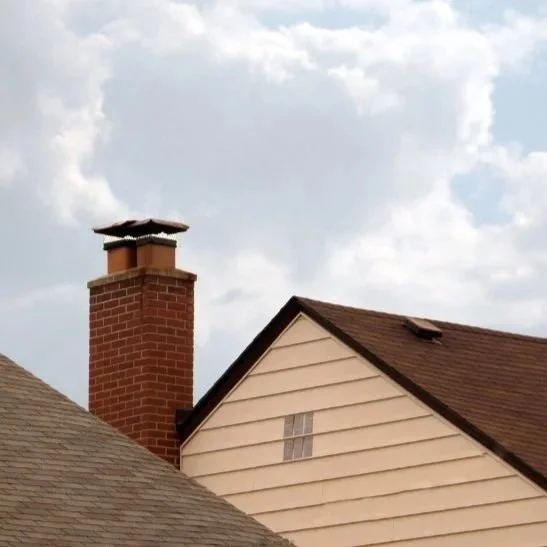
It's a crucial part of the house's ventilation system, guiding smoke, heat, and gases safely out of the living space.
A chimney isn't just a tall stack of bricks poking out of the roof. It's a crucial part of the house's ventilation system, guiding smoke, heat, and gases safely out of the living space. And like any hardworking feature, it requires some attention from time to time. Enter chimney flashing—the unsung hero that keeps water from seeping in and wreaking havoc. When flashing fails, your chimney may soon develop unwanted leaks, rust, and even structural damage. But don't worry—chimney flashing repair is here to save the day, bringing both function and flair back to your home's most iconic feature.
Chimney flashing isn't a one-size-fits-all solution. It's designed to fit snugly around the chimney, forming a waterproof barrier that keeps the elements at bay. But the weather is relentless, and over time, flashing can wear out, crack, or even detach. Without proper attention, that tiny gap or loose corner can open the floodgates for water damage, inviting leaks that travel through walls and ceilings. Fixing chimney flashing when needed isn't just a fix for today; it's an investment in your home's longevity.
Why Chimney Flashing Matters
Flashing plays a critical role in the roof's health. Positioned at the base of the chimney, it directs water away from the joint between the chimney and the roof. Without flashing, rainwater will find its way into the roof's structure, pooling around the chimney and soaking into areas where it shouldn't be. Eventually, that moisture can cause everything from wood rot to mold growth, and, in the worst-case scenario, compromise the integrity of the roof and walls.
It's the kind of silent problem that only shows up when it's too late. By the time you spot a leak or a stain, the flashing may have been in trouble for months, allowing water to infiltrate silently. That's why regular maintenance and prompt chimney flashing repair are key. A little care goes a long way in preventing major issues down the road.
Spotting the Signs of Trouble
It's easy to ignore flashing when everything seems fine on the surface. But over time, even the most robust flashing can begin to show wear. Look for telltale signs that the flashing might need some attention. Rust is a common culprit, especially around metal flashing. If the flashing appears corroded or discolored, it's a red flag. Gaps or cracks around the edges also indicate that the flashing isn't doing its job anymore. If you notice water stains on your ceiling or in the attic, the flashing has likely allowed some moisture to seep through.
Leaking isn't the only sign of trouble, either. Loose or bent flashing can cause shingles or roofing materials around the chimney to shift, which could lead to further damage. If flashing becomes detached, the whole system can fail, leaving the chimney exposed to the elements. Identifying the problem early means preventing a much more expensive and disruptive repair down the line.
What Goes Into Chimney Flashing Repair?
Chimney flashing repair isn't as simple as slapping a new layer of metal around the base of the chimney. It's a careful, detail-oriented process that requires a skilled hand and a good eye. The first step is to assess the existing flashing—how it's attached, its current condition, and whether a simple repair will suffice or a complete replacement is necessary. If the flashing is just slightly loose or cracked, a strategic re-seal or re-fastening might do the trick. But if it's corroded or the material has failed, replacing the flashing altogether is the best course of action.
Once the flashing is ready for replacement, roofing professionals carefully remove the old materials, paying close attention to any damage beneath them. Afterward, they install the new flashing with precision, confirming it fits snugly around the chimney and directs water away from vulnerable spots. The flashing is carefully secured and sealed at the seams, guaranteeing it stays firmly in place and withstands the weather for years to come.
Flash around the base of the chimney is just one part of the equation. Step flashing is another common installation along the sides, making sure that water has a direct route to run off the roof. The flashing should form a watertight seal to keep moisture from creeping into the home's walls. The final step is to check everything and make sure no gaps remain. All seams must be tightly secured to keep water from getting through.
Preventing Future Problems
Once the flashing repair is completed, the roof is in good shape. But that doesn't mean you can forget about it completely. While chimney flashing repairs can add years of protection, periodic inspections will keep the roof and flashing system in top condition. Weather, wear, and tear will always play a part in the lifespan of flashing, but simple inspections every year or after severe storms can help you catch potential problems before they escalate.
Regular cleaning and upkeep also help preserve the flashing and chimney in good condition. Debris, such as leaves and branches, can accumulate around the base of the chimney or the flashing, interfering with proper drainage and trapping moisture. Keeping these areas clear verifies that the flashing can do its job properly.
A Long-Term Solution
It's tempting to brush off minor flashing issues. After all, it's just a small section of metal, right? But like a leaky faucet, it only takes one small issue to cause larger, more expensive problems. Chimney flashing repair is a small fix that provides long-term peace of mind. Keeping the flashing in top condition protects the chimney, the roof, and the entire house from costly water damage.
When it comes to your chimney, every step counts. Having a well-maintained chimney flashing system in place isn't just about stopping leaks. It's about preventing rot, rust, and the expensive repairs that come with water infiltration. Whether you need a minor repair or a full flashing replacement, addressing the issue early secures a dry, safe home.
Flash Your Way to a Safer Roof
Flashing may not get the glory that the roof or chimney often does, but it's a vital part of keeping your home safe and dry. When chimney flashing is in top shape, it does its job without fanfare, protecting your home from water damage and verifying the chimney remains sturdy for years to come. Whether it's a repair or replacement, timely attention to your chimney flashing helps avoid bigger issues down the road.
It's a small detail with a massive impact. So when your chimney starts to show signs of wear, don't delay. Flashing fixes help keep your home safe, dry, and—most importantly—groove-free in all the right ways.
Texas Siding and Exteriors is an insured and bonded, family-owned company specializing in roof replacements, new roof installation, roof inspections, roof repair, and asphalt shingle roofing. We have a team of experienced technicians who have the knowledge and expertise to diagnose and fix issues effectively. Homeowners in Corsicana can call us for reliable and long-lasting results. Call today!
