
Flashing Forward to Leak-Free Living
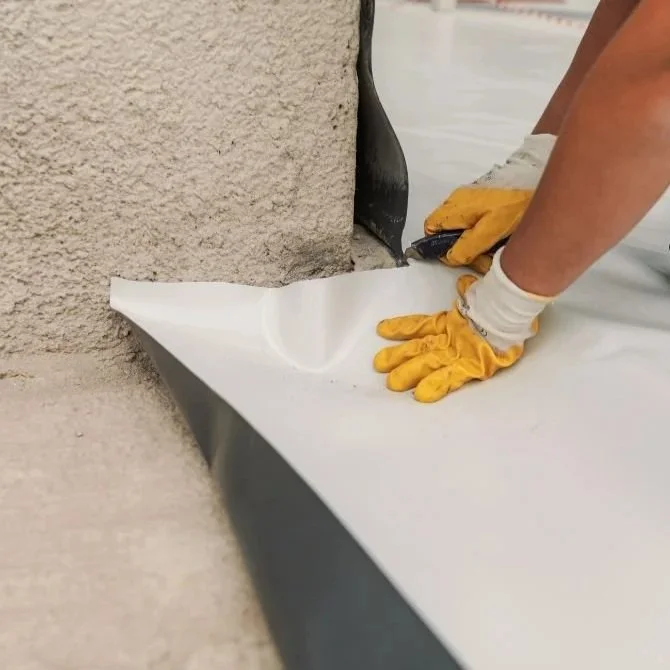
Roof flashing repair and replacement steps in to restore that quiet defense and protect everything beneath it.
Roof flashing may not draw much attention, but it plays a quiet, critical role in keeping homes dry. Tucked into corners, wrapped around chimneys, and lining roof valleys, flashing is the unsung hero of leak prevention. When installed and maintained correctly, it stops water in its tracks. But when flashing falters, water finds a way in—creeping behind walls, soaking insulation, and staining ceilings. Roof flashing repair and replacement steps in to restore that quiet defense and protect everything beneath it.
Flashing doesn't wear a cape, but it acts like a shield. It guards all the areas where shingles alone can't seal. And much like the weather it defends against, flashing takes a beating over time. Expansion, contraction, rust, wind, and time itself work together to test its strength. Once flashing starts to lift, crack, or corrode, it doesn't announce the problem with a siren. It simply allows moisture to sneak through—uninvited and unnoticed until the damage appears inside.
Where Metal Meets the Elements
Flashing is typically crafted from galvanized steel, aluminum, or copper. It's cut and shaped to hug roof intersections tightly, directing water down and away from vulnerable seams. Over time, metal can warp or pull away due to repeated temperature shifts. Rain finds the path of least resistance, and compromised flashing makes that path all too easy.
It's not always an instant failure. In fact, flashing often hangs on for years, even as it slowly loses its grip. A well-trained roofing professional knows the signs. They spot discoloration, tiny gaps, and nail holes that have loosened just enough to let water in. By the time indoor leaks appear, the damage has already spent weeks or months making itself at home.
Tiny Details with Big Impact
Roof flashing repair and replacement focus on the smallest parts of the roof. But those tiny sections make a massive difference. A chimney without flashing is a sponge during a storm. A valley without proper coverage becomes a welcome mat for water runoff. And skylights? Without flashing, they turn into indoor waterfalls in the making.
Even the neatest shingle installation can't compensate for missing or misaligned flashing. Repairs must be exact. Metal must be cut to fit snugly. Sealants must adhere cleanly. Nails and fasteners need to hold firm without pulling loose under pressure. Precision counts, and shortcuts have no place in the process.
When Repairs Outweigh Replacements
Not every flashing issue calls for a full replacement. Often, a targeted repair brings aging flashing back to life. Professionals assess whether the metal still maintains its integrity and, if so, resecure it, reseal joints, and stop the leak in its tracks. These minor fixes offer a longer lease on life for an otherwise functioning roof.
In some cases, flashing suffers localized damage—say, a tree branch scuffed the chimney flashing loose, or wind peeled a section away. Repairing just the compromised area saves time, money, and materials without sacrificing performance. But when flashing corrodes, warps beyond reshaping, or detaches completely, replacement takes the lead role.
A Full Refresh When Needed
Replacing flashing isn't about tearing the entire roof apart. In fact, strategic flashing replacement enhances the roof's lifespan. It's a surgical approach that reinforces weak points without disrupting what still works. When planned carefully, replacement integrates new flashing with existing materials, creating a seamless transition that doesn't draw attention.
New flashing also allows for the use of upgraded materials. Homeowners can move from basic galvanized steel to rust-resistant aluminum or even bold, beautiful copper. It's a functional fix that also adds a touch of character—especially around chimneys and dormers where flashing remains visible.
Chimneys, Skylights, and All the Tricky Bits
Roof flashing repair and replacement shine brightest in complicated spots. Chimneys rise above the shingles, demanding step flashing, counter flashing, and attention to every angle. Skylights sit flush with the slope and require apron flashing and waterproof membranes. Wall junctions and roof valleys each require different techniques, tools, and plenty of patience.
These details often spell the difference between a quick fix and a recurring problem. Roofing crews with experience in flashing understand the demands of each location. They don't rush corners. They don't leave gaps. They build flashing systems that work with gravity, with wind, and with water—not against them.
The Downstream Benefits of Dry
Stopping a leak before it spreads saves more than drywall. Proper flashing defends the entire structure. Water intrusion can lead to insulation breakdown, wood rot, mold growth, and electrical hazards. A single crack around a vent pipe might look small on the surface, but carry consequences that reach every corner of the home.
Repairing or replacing flashing means stopping those problems before they begin. The cost of proactive flashing work always undercuts the expense of post-leak cleanup. It also removes the guesswork that comes with mysterious moisture marks on ceilings or a faint musty smell after a storm.
Seasonal Shifts and Flashing Stress
Weather doesn't play favorites. Each season brings new challenges for the roof. Summer heats the flashing, causing it to expand. Cold snaps force it to contract. Wind rattles it loose. Rain tests every seam. Even the occasional snow pile weighs on rooflines and presses flashing to its limit.
Regular inspections and timely flashing repairs allow homeowners to stay ahead of seasonal wear and tear. It's not about panic—it's about preparation. By addressing issues before they escalate, flashing continues to do its job without fanfare or fuss.
Flashing as a Long-Term Investment
Roof flashing doesn't shout for attention, but it quietly earns its keep. Every dry ceiling, every cozy attic, every storm that passes without drama owes something to a few well-placed strips of metal doing their job behind the scenes. Repairing or replacing them when needed doesn't just protect the home; it also protects the homeowner. It protects comfort, safety, and long-term value.
In the world of roofing, flashy doesn't always win. But flashing? That's a different story. When done right, it turns everyday homes into fortresses—weatherproof, worry-free, and ready for anything the sky throws down.
A Stronger Roof Starts at the Seams
Great roofing isn't only about shingles and slopes. It lives in the seams, the edges, the meeting points where two surfaces must act as one. Roof flashing repair and replacement give those areas the attention they deserve. Done with skill, they restore integrity where it matters most—quietly, professionally, and with precision.
Living leak-free starts with looking closely. It starts with respecting the role flashing plays and treating small vulnerabilities as opportunities for strength. Flashing may not be glamorous, but in the right hands, it brings beauty to reliability—and peace of mind to every rainy day.
Texas Siding and Exteriors is an insured and bonded, family-owned company specializing in roof replacements, new roof installation, roof inspections, roof repair, and asphalt shingle roofing. We have a team of experienced technicians who have the knowledge and expertise to diagnose and fix issues effectively. Homeowners in Corsicana can call us for reliable and long-lasting results. Call today!
